

Why Large Companies Are Already Asking Suppliers for Emissions Data
Large companies aren’t “curious” about supplier emissions data anymore. They’re operationalizing it. What’s happening If you sell into Walmart, Amazon, Microsoft, Nestlé, PepsiCo (or the ecosystems around them), you’ve probably seen the shift: supplier portals, scorecards, ESG questionnaires, and requests…

The Hidden Scope 3 Burden: How Hotels and Hospitality Businesses Can Get Ahead
Hotels sit in a tricky place in the Scope 3 chain: you’re a supplier to corporate buyers, and you’re a customer of utilities, vendors, and service providers. Why this is turning into a real burden Hotels are both “upstream” and…

From Chaos to Clarity: How Small Businesses Can Prepare for Scope 3 Requests
Scope 3 requests can feel like a surprise audit, especially if you don’t have a sustainability department. The good news: you can get organized without turning this into a second job. What small businesses actually need (to start) You don’t…
End-of-Year Report
What happened between “end of year” and… now We originally set out to publish this report shortly after 2025 wrapped. We’ve been inspired by brands that treat transparency like a practice, not a campaign. Then we actually started doing it…

The New Competitive Advantage: Transparent Environmental Reporting
For years, environmental reporting was treated as a compliance exercise—something to complete, file away, and revisit when required. That mindset is quickly becoming outdated. Today, transparent, verifiable environmental data is emerging as a powerful competitive advantage—especially for sales-driven businesses, hospitality…

NYC, Boston, DC: Three Cities, Three Approaches to Building Decarbonization
If you manage buildings in more than one city, it can feel like every jurisdiction is speaking a slightly different language. New York City makes the stakes explicit with hard greenhouse gas caps and real financial penalties. Boston takes a…

SB 253: What It Means for Businesses of Every Size — Even Outside California
California has a long track record of passing legislation that reshapes national business standards. With California Senate Bill 253 (SB 253) — the Climate Corporate Data Accountability Act — the ripple effect is already underway. At first glance, SB 253…

The 2026 Compliance Cliff: Is Your Building Ready?
The 2026 Compliance Cliff: Is Your Building Ready? If you manage commercial or multifamily buildings in major U.S. cities, the next six months will determine whether you face smooth compliance or costly penalties. Between May and June 2026, some of the nation's…

Why Spreadsheet-Based Environmental Tracking Breaks at Scale
Spreadsheets are often the first tool organizations turn to when tracking environmental data. They’re familiar, flexible, and easy to start using. For a single site or a handful of meters, spreadsheets can feel “good enough.” But as portfolios grow, regulations…
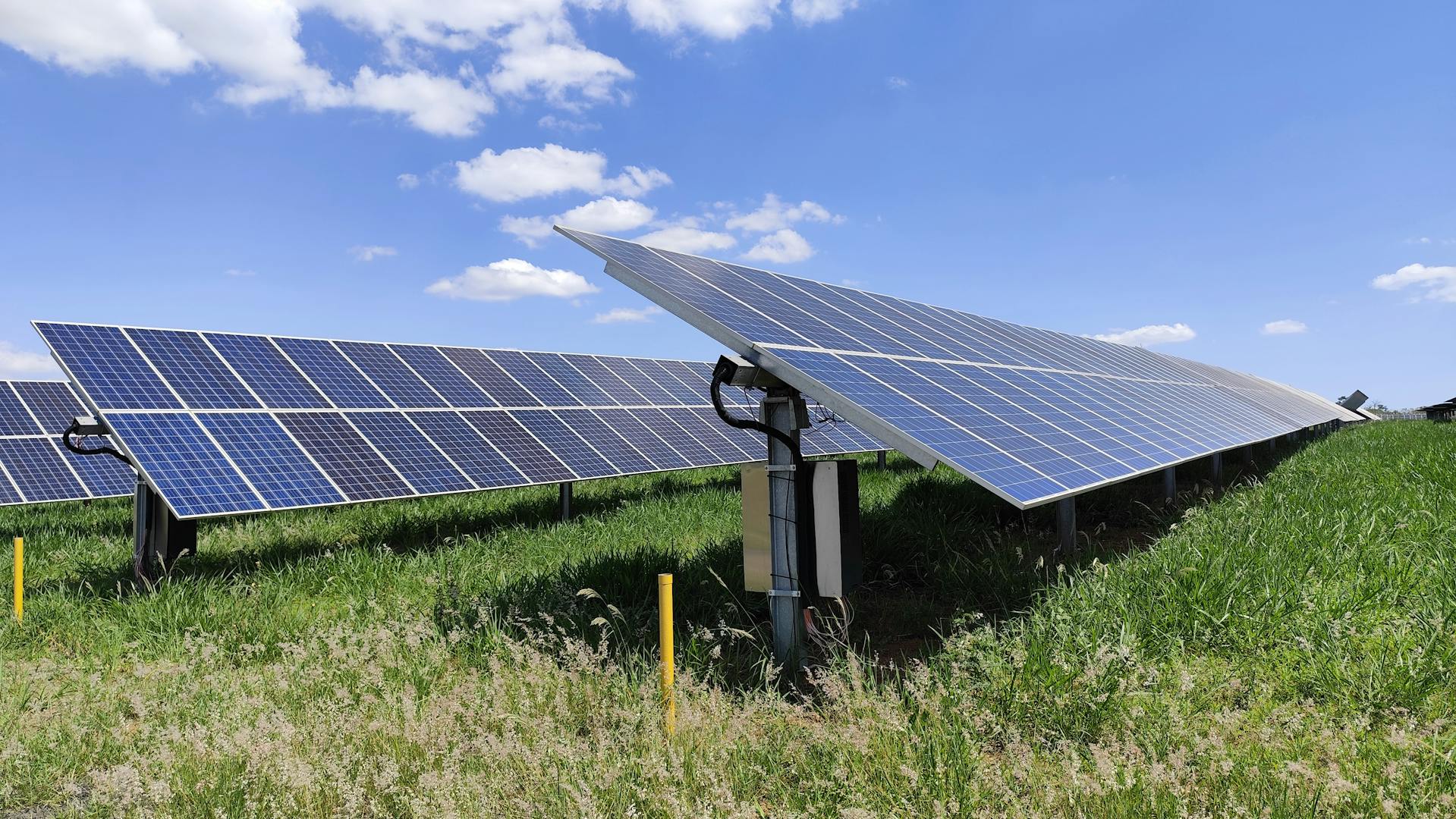
When Your Customer Asks for an Emission Report – and You Don’t Have One
You’ve just received a request from a client: “Please provide your company’s carbon emissions or sustainability report.” Your heart sinks. You don’t have one—and you don’t know where to start. You’re not alone. Many small and midsize businesses face this…

Do-It-Yourself or Done-for-You? Choosing the Right Path for ESG and Emission Reporting
Every organization approaches sustainability differently. Some want total control with in-house dashboards; others prefer expert support. Verdafero offers both options—so you can choose the path that fits your resources, goals, and timeline. The Challenge of Emission Reporting Reporting frameworks like…
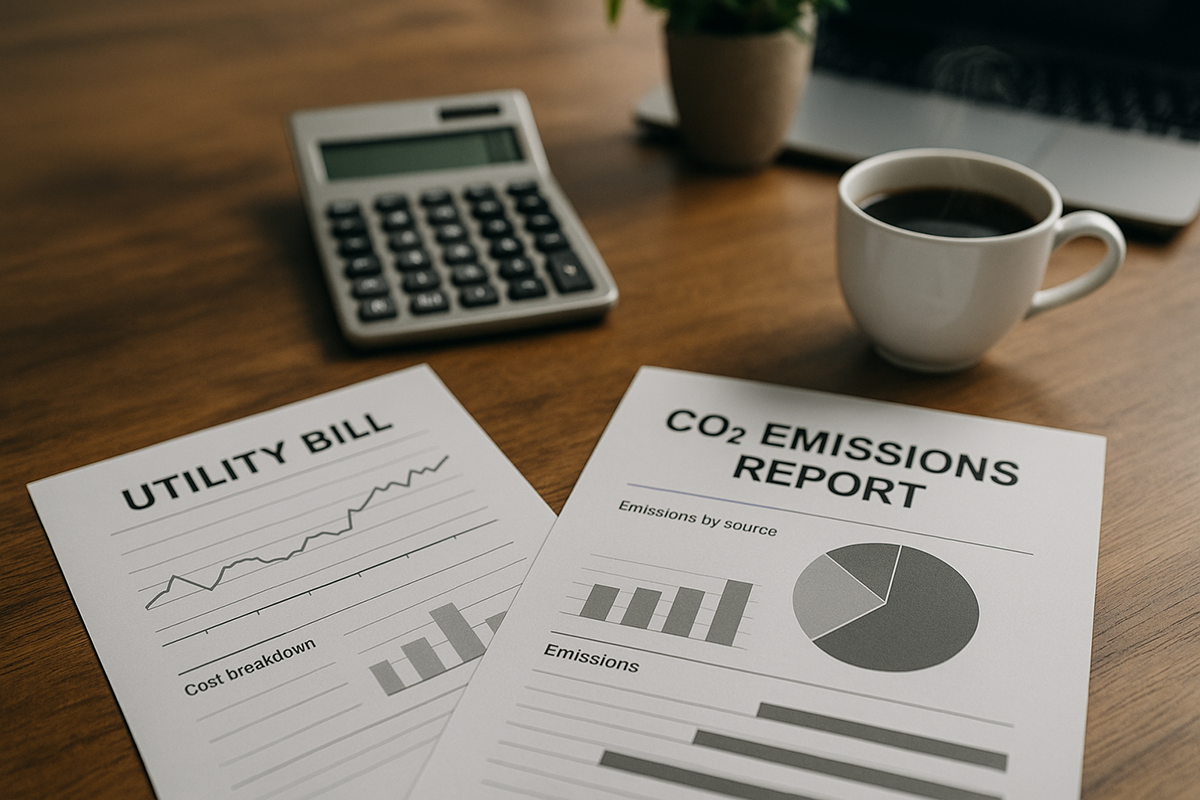
Beyond the Utility Bill: Why Accurate Emission Reporting Protects Your Bottom Line
Energy costs are one of the largest controllable expenses for property owners and managers. But energy data also hides another layer of insight—your carbon footprint. Understanding it can protect your bottom line and your reputation. The Rising Cost of Non-Compliance…