
Benchmarking one building is a task. Benchmarking fifty or more buildings is an operating system…
How Utility Monitoring Helps Facilities Teams Catch Problems Earlier
Facilities problems rarely begin as emergencies. A leaking valve, an HVAC unit running after hours, or a gradual increase in energy use often starts as a small deviation. Without consistent visibility into utility data, that deviation can continue for weeks before it becomes obvious through a high bill, equipment complaint, or operational disruption.
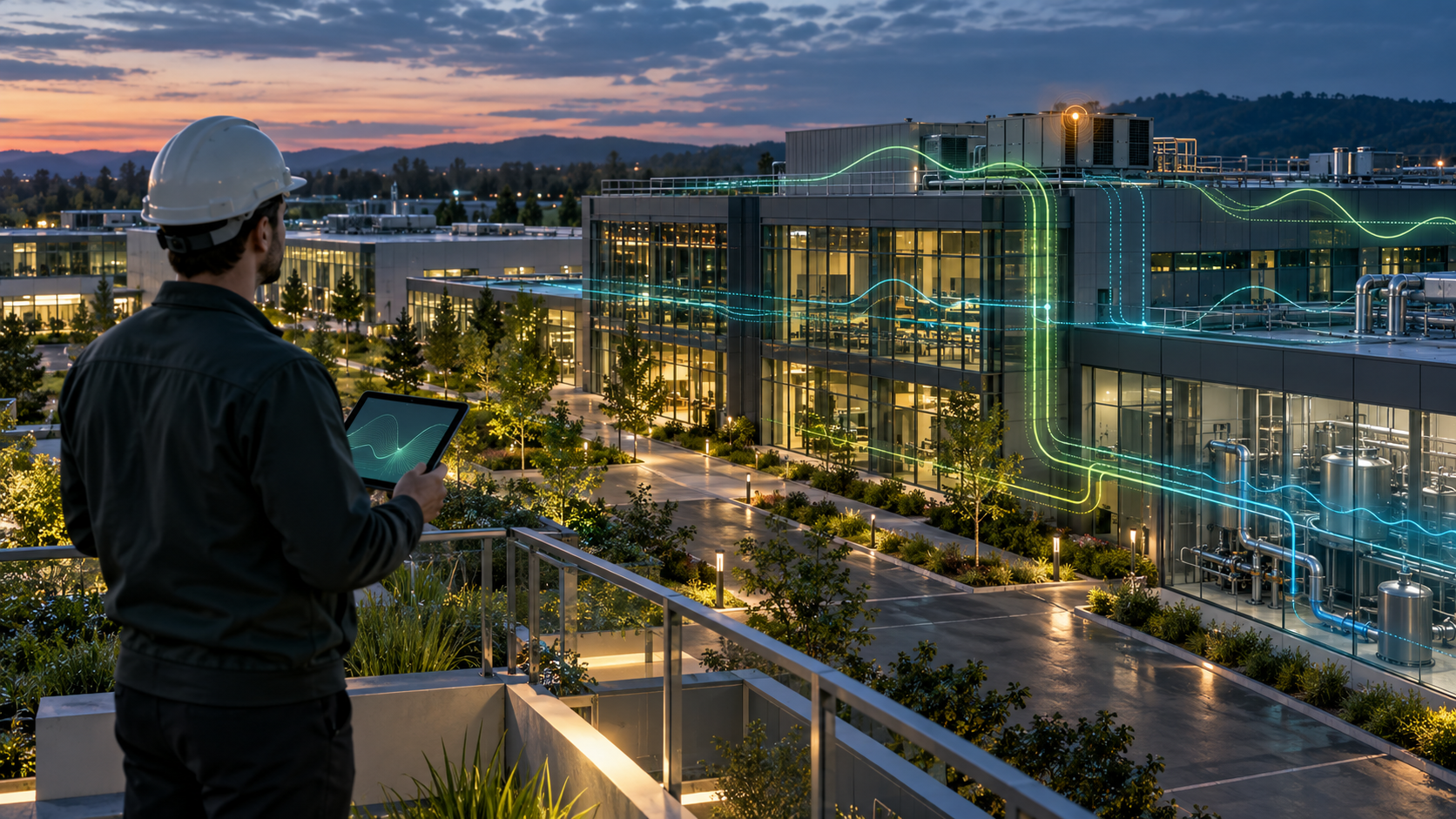
Utility monitoring gives facilities teams an earlier signal. By tracking electricity, natural gas, water, waste, and fuel across one or more properties, teams can identify unusual patterns, investigate their causes, and act before a small issue becomes a larger expense.
Why problems are easy to miss
Most facilities teams already receive utility bills. The challenge is that bills are designed for payment, not early detection. They summarize consumption after the fact, often at a level that makes it difficult to determine what changed, when it changed, or why.
That creates several common blind spots:
- A water leak may continue until the next billing cycle reveals the increase.
- Equipment may run outside scheduled hours without triggering an obvious alarm.
- Consumption can drift upward gradually and appear normal from month to month.
- Data spread across accounts, spreadsheets, and properties can make comparison difficult.
- Seasonal changes can hide inefficient performance unless teams have a reliable baseline.
The result is a reactive workflow. Teams investigate only after costs rise or occupants report a problem.
Utility monitoring changes the timeline
Utility monitoring organizes consumption data so facilities teams can review trends, compare locations, and spot exceptions sooner. Instead of asking, “Why was last month’s bill so high?” teams can ask, “What changed this week, and where should we look?”
That shift matters because many facility issues leave a data trail before they create a visible failure. Unexpected overnight electricity use, continuous water consumption, or a sudden change at one property can indicate that something deserves attention.
Monitoring does not replace maintenance expertise. It helps direct that expertise toward the right place at the right time.
Four ways monitoring supports earlier action
1. Detect unusual consumption patterns
A clear baseline makes anomalies easier to see. If water use remains elevated overnight or electricity consumption increases outside normal operating hours, the pattern can prompt an investigation.
The cause may be a leak, a scheduling error, malfunctioning equipment, or a legitimate operational change. The value is not in assuming the answer. It is in recognizing the exception early enough to investigate it.
2. Compare performance across properties
For teams responsible for multiple buildings, individual bills provide only a fragmented view. Centralized monitoring makes it easier to compare similar properties and identify outliers.
If two comparable buildings operate under similar conditions but one consistently uses more energy or water, facilities leaders have a practical starting point for diagnosis. The comparison can help prioritize audits, maintenance, and capital improvements.
3. Verify whether corrective action worked
Finding a problem is only the first step. Teams also need to know whether a repair or operational change produced the expected result.
After adjusting schedules, repairing equipment, or addressing a leak, monitoring can show whether consumption returned to its expected range. This creates a simple feedback loop: identify, act, verify, and continue watching.
4. Connect operations with reporting
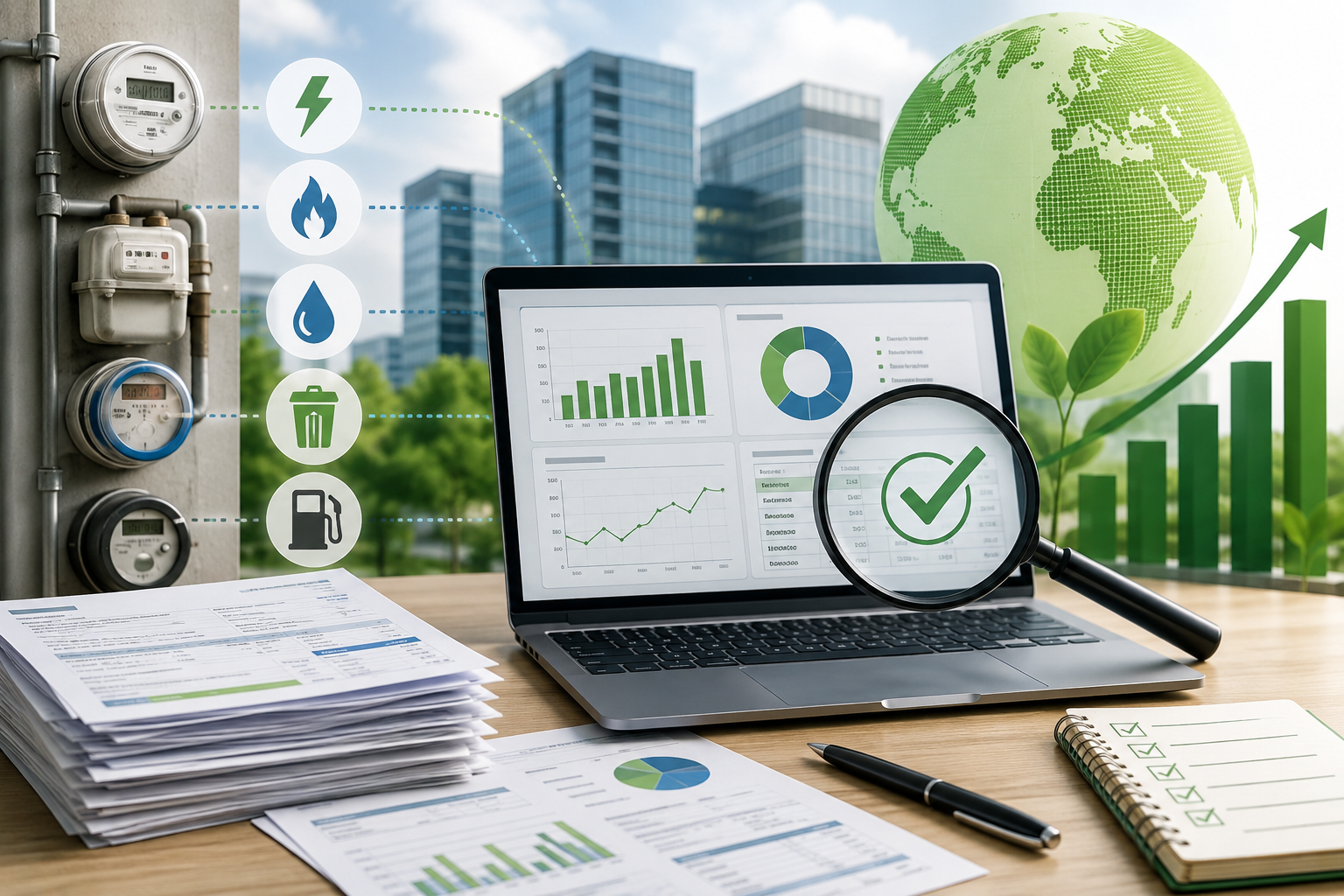
Utility data supports more than daily facilities management. The same organized information can contribute to environmental and emissions reporting. Electricity, natural gas, water, waste, and fuel data can help organizations prepare clearer reports while reducing the scramble to assemble information from disconnected sources.
For broad audiences, Scope 1, 2, and 3 reporting refers to different categories of greenhouse gas emissions: direct emissions from owned or controlled sources, indirect emissions associated with purchased energy, and other indirect emissions across the value chain.
When operational data is already organized and reviewed, reporting becomes easier to manage and easier to trust. Verdafero combines patented utility monitoring software with sustainability consulting to help organizations monitor multiple utilities, produce fast and accurate emissions reports, and identify efficiency opportunities.[1]
What an effective monitoring process looks like
Technology is most useful when it supports a repeatable management process. Facilities teams can begin with a straightforward routine:
- Establish a baseline. Understand typical consumption by property, utility, season, and operating schedule.
- Define exceptions. Decide which changes or patterns deserve review.
- Investigate context. Check operating schedules, weather, occupancy, maintenance activity, and equipment conditions.
- Assign action. Give the issue a clear owner and next step.
- Verify results. Confirm that consumption changed after corrective action.
- Document the outcome. Capture what happened, what was done, and what the organization learned.
This process helps teams avoid two common mistakes: collecting data without acting on it, and reacting to every fluctuation without considering context.
From reactive maintenance to informed prevention
Facilities teams cannot prevent every problem. They can, however, improve how quickly they recognize emerging issues and how confidently they prioritize a response.
Utility monitoring turns scattered consumption records into an operational signal. It helps teams identify anomalies, focus investigations, verify improvements, and connect day-to-day facilities work with broader cost and environmental goals.
The practical benefit is earlier awareness. And earlier awareness creates more options: investigate before a bill spikes, repair before waste compounds, and document performance before reporting deadlines arrive.
If your organization is ready to make ESG reporting easier to manage and easier to trust, visit Verdafero’s website to learn more and schedule a demo. See how utility data can become a clearer path to faster reporting, better decisions, and measurable environmental progress.
Related Posts


Comments (0)